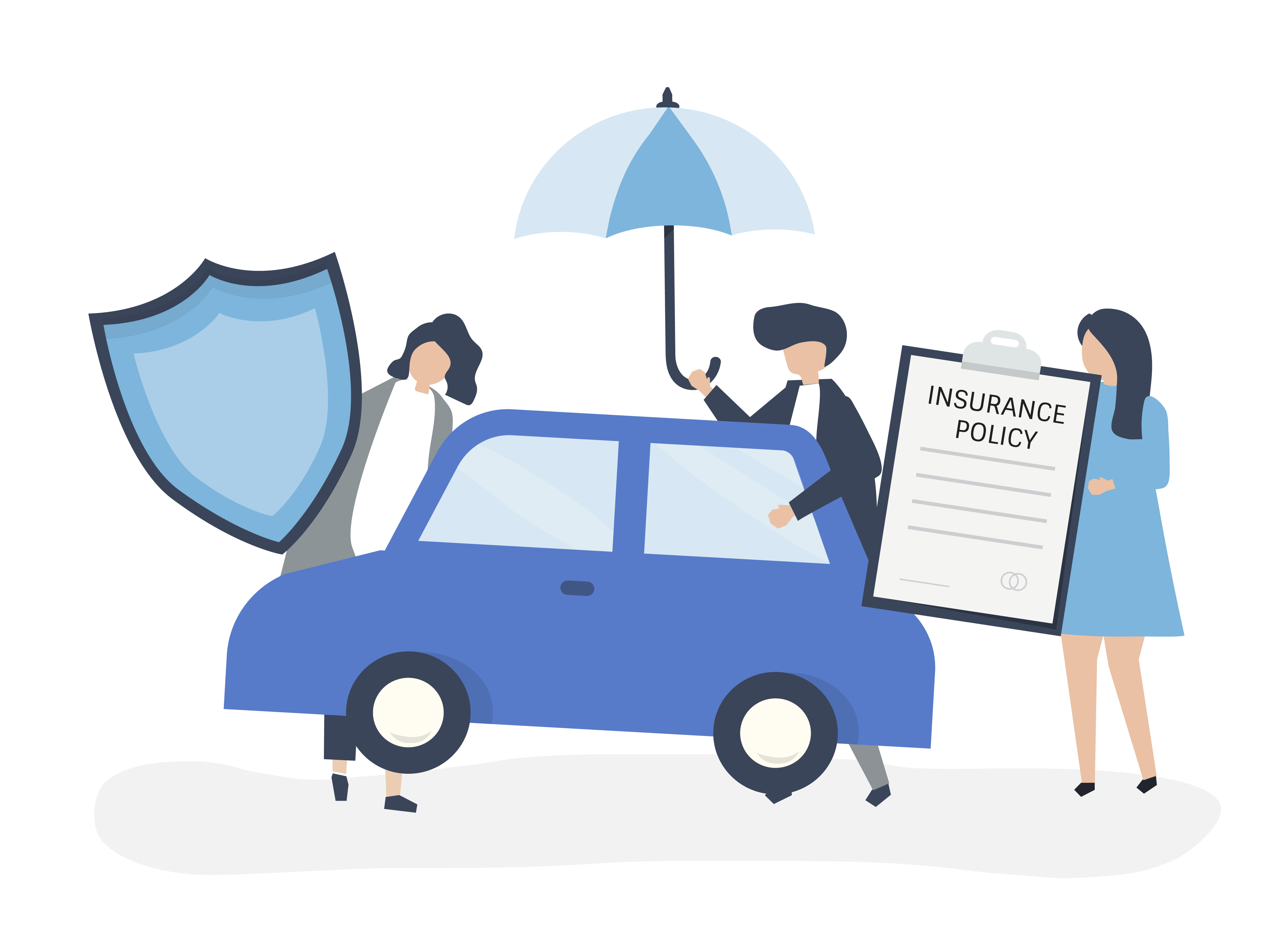


Insurance
Insurance is a means of protection from financial loss. It is a form of risk management primarily used to hedge against the risk of a contingent, uncertain loss. An entity which provides insurance is known as an insurer, an insurance company and person or entity who buys insurance is known as a policyholder, while a person or entity covered under the policy is called an insured.
Life Insurance
Life insurance is a contract between a policyholder and an insurance company that's designed to pay out a death benefit when the insured person passes away. It's important to choose life insurance beneficiaries carefully to ensure that the right people are eligible to received proceeds from your policy.
Benefits of Life Insurance
- Life Insurance Payouts Are Tax-Free
- Your Dependents Won't Have to Worry About Living Expenses
- Life Insurance Can Cover Final Expenses
- You Can Get Coverage for Chronic and Terminal Illnesses
- Policies Can Supplement Your Retirement Savings
Tax Exemption
Under section 80C, premiums that you pay towards a life insurance policy qualify for a deduction up to ₹1.5 lakh, while Section 10(10D) makes income on maturity tax-free if the premium is not more than 10% of the sum assured or the sum assured is at least 10 times the premium.


Health Insurance
Health insurance is a contract where an insurance company provides medical coverage. It covers medical expenses incurred on hospitalization, surgeries, day care procedures, etc. A health insurance policy either reimburses the medical costs or offers cashless treatment.
Benefits of Health Insurance
- Comprehensive Coverage
- Cashless Treatment
- Coverage against critical illnesses
- Tax benefits
Tax Exemption
The Health insurance premium offers tax benefits under Section 80D of the Income Tax Act. The maximum that one can save under Section 80D (Rs 25,000) for those paying 5.20 percent, 20.8 percent and 31.2 percent tax is Rs. 1,300, Rs 5,200, and Rs 7,800 respectively.
Motor Insurance
Motor Insurance is a type of insurance policy which covers your vehicles from potential risks financially. Policyholder's car or two wheeler is provided financial security against damages arising out of accidents and other threats.
Benefits of Motor Insurance
- Coverage against accident
- Legal protection
- Death Benefits
- No Claim Bonus